Travel Alerts and Advisories 2026 Guide With Safety Checklist
By Sohail Shabbir · Technology · Thu Jul 09 2026
A practical guide to travel alerts, advisories, CDC health notices, safety levels, keywords, and images for safer international trip planning.
Travel Alerts and Advisories 2026 Guide With Safety Checklist
Last updated: July 10, 2026.
Travel alerts and advisories are now an important part of planning any international trip. Cheap flights and beautiful hotels still matter, but travelers also need to check security risks, health notices, local laws, weather disruptions, passport rules, and emergency support before booking.
For U.S. travelers, the best official sources are the U.S. Department of State travel advisory pages, CDC Travel Health Notices, USA.gov guidance, and local embassy updates. These sources explain whether a destination requires normal precautions, increased caution, reconsideration, or a full do-not-travel decision.
Why Travel Alerts Are Trending
Travel safety searches are rising because global conditions can change quickly. Political unrest, regional conflict, crime, disease outbreaks, earthquakes, hurricanes, heat waves, airport disruption, and sudden entry-rule changes can all affect a trip.
Current official examples show why travelers are paying attention. The State Department maintains a worldwide caution notice for Americans abroad. Turks and Caicos has been listed at Level 2 due to crime. Haiti remains Level 4 because of crime, kidnapping, unrest, terrorism, and limited health care.
What the Advisory Levels Mean
The State Department uses four advisory levels. Level 1 means exercise normal precautions. Level 2 means exercise increased caution. Level 3 means reconsider travel. Level 4 means do not travel.
A Level 2 advisory does not always mean a destination should be avoided, but it does mean travelers should read the full destination page carefully. Level 4 is the strongest warning and means travelers should avoid that destination unless there is an essential reason.
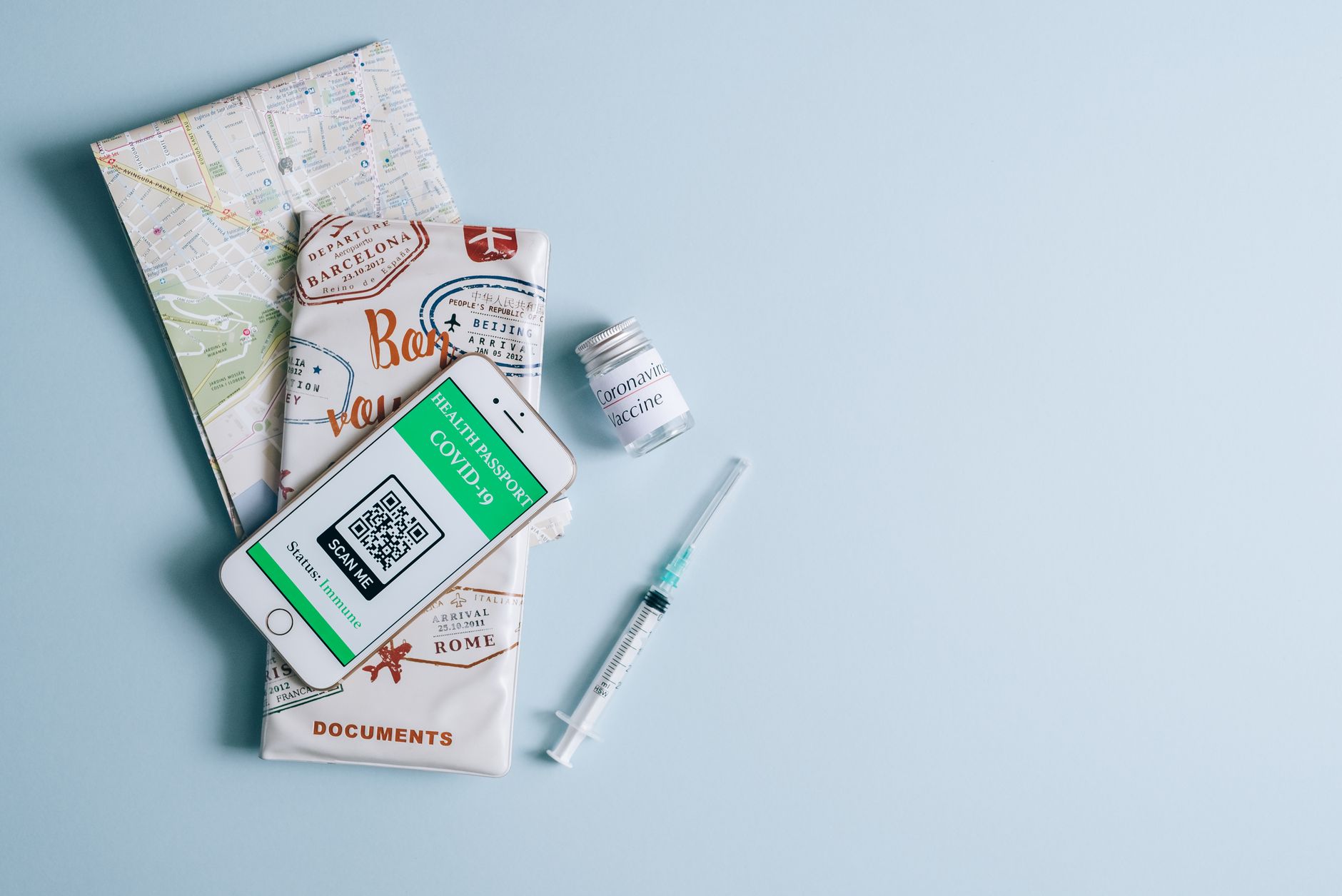
CDC Travel Health Notices
Security is only one part of the picture. CDC Travel Health Notices focus on health risks, including disease outbreaks, vaccination guidance, contaminated food or water, insect-borne illness, and natural-disaster-related health concerns.
Travelers should check CDC guidance before booking and again shortly before departure. In 2026, CDC notices have included health guidance for Ebola-related risks in parts of the Democratic Republic of the Congo and Uganda, malaria in Yemen, and chikungunya in French Guiana.
Pre-Trip Safety Checklist
- Check the destination on the State Department travel advisory page.
- Read the risk indicators, not only the overall advisory level.
- Review CDC Travel Health Notices and vaccine guidance.
- Confirm passport validity, visa rules, and entry requirements.
- Read local laws about medication, drones, alcohol, photography, and restricted items.
- Review travel insurance for medical care, evacuation, cancellations, and disruptions.
- Save embassy or consulate contact information.
- Enroll in STEP if you are a U.S. citizen or national traveling abroad.

Best Keywords for This Blog
The best primary keyword is travel alerts. A second strong keyword is travel advisories. Strong secondary keywords include State Department travel advisory, CDC Travel Health Notices, travel warning, safe travel checklist, international travel safety, passport safety, travel insurance, and STEP enrollment.
Useful long-tail keywords include how to check travel advisories before booking, what does Level 4 do not travel mean, CDC Travel Health Notices explained, and where to find official travel alerts.
Final Takeaway
Travel alerts and advisories help travelers make safer, better-informed decisions. Before booking, check the State Department advisory level, read CDC health guidance, understand local risks, review local laws, and prepare an emergency contact plan.
Sources: U.S. State Department Travel Advisories, CDC Travel Health Notices, USA.gov Travel Advisories.
Tags: travel alerts