FIFA World Cup 2026: Fixtures, Teams, and What Fans Are Searching For
By Sohail Shabbir · News · Thu Jun 11 2026
A detailed SEO-friendly guide to FIFA World Cup 2026 fixtures, teams, stadiums, and the questions fans are searching for right now.
FIFA World Cup 2026: Fixtures, Teams, and What Fans Are Searching For
As of June 11, 2026, FIFA World Cup 2026 is one of the biggest sports topics on the web. In our keyword trend check, the core phrase FIFA World Cup 2026 recorded 5,011,376 Wikipedia page views in the last 30 days and rose 120.61%. Related terms such as World Cup 2026 fixtures, World Cup 2026 teams, World Cup 2026 venues, and World Cup 2026 tickets are also growing, which tells us something important: fans want more than match results. They want the full story, the official sources, and the practical details that help them plan what to watch, where to go, and how to follow the tournament.
According to FIFA, the tournament runs from 11 June to 19 July 2026, will be hosted across Canada, Mexico, and the United States, and will feature 48 teams across 104 matches. The official competition pages list the fixtures, host cities, ticket options, and stadium details on FIFA.com, which means the safest place to verify anything is always the official source.
For quick reference, use FIFA’s official pages for host cities, scores and fixtures, and tickets.
Why FIFA World Cup 2026 Is Exploding in Search Interest
FIFA World Cup 2026 is not just another tournament. It is the first World Cup with 48 teams, which means more matches, more storylines, and more chances for surprise results. It is also the first edition spread across three host countries, making travel and venue planning a major part of the fan conversation. When a global event becomes both a sports story and a travel story, search demand rises fast because people are trying to answer multiple questions at once.
There are several reasons the event is dominating search interest:
- More teams means more nations to follow and more fans searching for group updates, squad news, and knockout possibilities.
- Three host countries means more stadium guides, city travel tips, and venue-specific content.
- 104 matches creates a long content runway for previews, recaps, schedules, and live updates.
- Historic venues like Estadio Azteca add cultural weight and create extra curiosity around the opening match.
- Official ticket drops keep fans returning to search for fresh information, resale guidance, and hospitality options.
The opening match is scheduled in Mexico City at Estadio Azteca, a venue loaded with history. For fans, that matters because opening games generate huge attention, and search traffic usually follows the biggest stage moments. The opening match does not just launch a tournament; it creates a global conversation that stretches across sports, travel, tickets, and city guides.
If you are creating a FIFA World Cup guide, this is the first lesson to remember: people are not searching for one answer. They are searching for a cluster of answers. A strong article helps them connect the dots quickly and confidently.
Fixtures and Format: What Fans Need to Know
On FIFA's official pages, the competition is laid out as a 104-match tournament with a new expanded structure. That means fans should stop thinking of the World Cup as a simple group-stage-plus-knockout bracket and start thinking about it as a longer, richer competition with more opportunities to follow specific teams. The expanded format also changes the way audiences search, because more matchdays mean more reason to check schedules repeatedly.
What people usually search for here includes:
- Fixture dates for each match and each group stage round.
- Kickoff times so they can follow games in their own time zone.
- Group standings and qualification scenarios.
- Knockout-stage brackets once the tournament progresses.
- TV and streaming details when fans want to know where to watch.
For the most reliable information, the best bookmark is FIFA's official scores and fixtures page. It is updated as the tournament progresses and is the cleanest way to avoid fake schedule screenshots and social-media rumors. If you are writing about the tournament, this page should be the backbone of your updates.
A practical tip for fans is to think in time zones rather than just dates. A kickoff that feels like an evening match in Mexico City or Los Angeles may land very differently in Europe, Asia, or the Middle East. That is why fixture content performs so well: it solves a real planning problem.
Another smart angle is to create a simple weekly breakdown. For example, a reader may want the best matches of the week, the most important group-stage games, or the games with the biggest qualification implications. That kind of content is a strong FIFA World Cup tutorial for casual fans who do not want to study the full bracket.
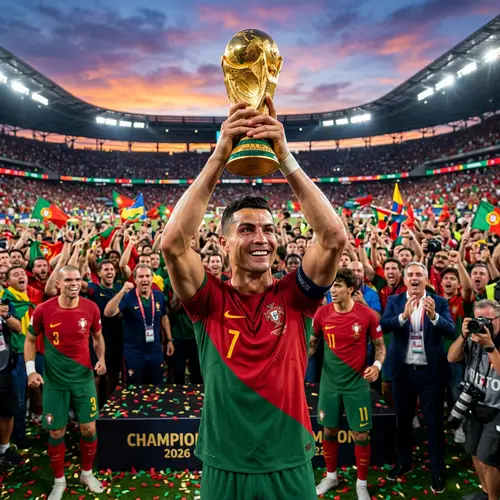
The pitch is where fixture interest becomes real for fans, players, and broadcasters.
That stadium image matters because fixture searches are rarely just about a date. They are also about the atmosphere, the venue, the grass, the sightlines, and the matchday experience. In other words, the fixture is the headline, but the stadium is the feeling behind it.
Teams, Host Cities, and Stadiums Fans Keep Looking For
FIFA says the full field is confirmed: 48 teams and 1,248 players available to play across the tournament. That gives fans plenty to follow, from traditional giants to underdog nations that can produce the tournament's biggest shocks. For many readers, the simple question is not only “Who qualified?” but also “Which team can make the deepest run?”
Interest naturally concentrates around the host cities and iconic stadiums. The official host-country setup covers 16 cities across three nations, but some venues will draw more search demand than others because of their size, history, and expected marquee matches.
- Mexico City - Estadio Azteca, opening-match spotlight and one of the most historic stadiums in football.
- Los Angeles - SoFi Stadium, a major U.S. matchday hub with huge event appeal.
- Vancouver - a key Canadian host city that will attract travel and venue searches.
- Dallas, Houston, Atlanta, Miami, New York/New Jersey, Philadelphia - cities fans search for when planning tickets, hotels, and transport.
If your audience includes travelers, this is a great place to explain that fans are not only searching for who plays. They are searching for where to stay, how to get there, and which stadium is best for the experience they want. A good FIFA World Cup best practices article should answer both the sports question and the logistics question.
There is also a natural storytelling angle in the host cities themselves. Some fans care about the biggest stadiums. Others care about the most affordable city. Others want the most scenic or easiest-to-navigate destination. A useful blog can turn those preferences into clear examples: a family trip, a luxury hospitality trip, or a budget-friendly football getaway.
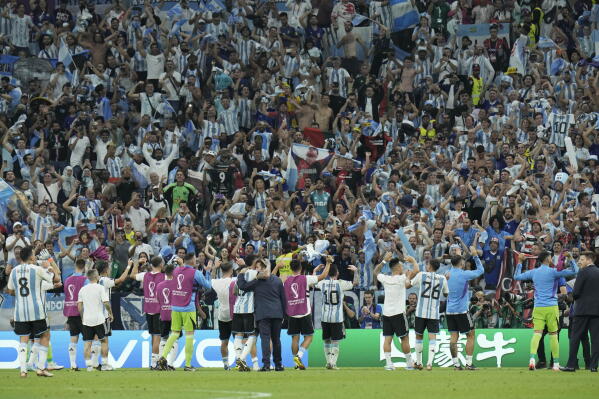
Even if the squad list is the main sports topic, venue pages often become the biggest traffic drivers because they answer practical questions with immediate value. This is one reason why venue-focused posts are such a strong SEO example: they match what readers really want in the moment they search.
What Fans Are Searching For Right Now
When you look at the demand behind FIFA World Cup 2026, the search intent falls into a few clear buckets. This is useful if you are writing blog posts, social posts, or a content series. It also helps you build a content calendar that reflects user intent instead of guessing what people might care about.
- Fixtures and dates - fans want the match calendar and kickoff times.
- Teams and squads - people want the confirmed field and country-by-country updates.
- Tickets and hospitality - the search jumps whenever sales windows or new drops open.
- Stadiums and host cities - readers want venue guides, transport tips, and local context.
- Opening match and final - marquee games always pull the most attention.
This is why the most useful World Cup content is not just “who plays who.” It is content that solves fan problems quickly: where to find the official schedule, which cities are hosting, how the format works, and where tickets live. A practical article should read like a plan, not a press release.
For example, FIFA's official ticket page is the safest place to verify availability instead of relying on resale rumors or social posts. Likewise, the host-city pages are the best source for travel planning and venue specifics. Readers want certainty, and official links create that trust.
There is also a strong opportunity for creators to build comparison posts. You can compare host cities by price, compare stadiums by size, or compare travel options by region. Those are simple, evergreen ideas that support the main tournament coverage while also giving you fresh angles throughout the summer.
How to Follow FIFA World Cup 2026 Without Missing Anything
If you want to stay ahead of the tournament, use a simple information stack. The key is not to rely on random reposts or outdated screenshots. Use sources that are updated directly and that fans can trust day after day.
- Bookmark the official fixtures page for live schedule updates.
- Check the host cities page for venue and city details.
- Use the tickets page for official sales and hospitality news.
- Follow official FIFA announcements for squad confirmations and match changes.
- Build your travel plan around the city, not just the game, because transport and accommodation will matter as much as the kickoff time.
For fans, that approach saves time. For publishers and bloggers, it creates a repeatable content structure: one post for fixtures, one for teams, one for stadiums, one for tickets, and one for travel tips. That content cluster is ideal for SEO because it mirrors real search intent and gives you a natural path to internal linking.
This is also where a smart content strategy pays off. A single article can point readers to related posts such as “best stadiums for World Cup 2026,” “how to buy tickets safely,” “top host cities to visit,” or “what the new format means for the knockout stage.” Those pieces work together like a proper FIFA World Cup guide.
Why This Topic Works So Well for SEO
The reason this topic ranks so well is simple: it combines current demand, practical utility, and massive global interest. FIFA World Cup 2026 is a trending event, but it is also a long-tail topic with many subtopics people search for separately. That means one well-written article can attract readers from several directions and stay relevant for months.
Some of the strongest related phrases include World Cup 2026 fixtures, World Cup 2026 teams, World Cup 2026 venues, and World Cup 2026 tickets. In other words, the main keyword sits at the center of a family of queries. A good article answers them together instead of treating them as separate stories.
That is also why the best World Cup content should be structured like a guide, not like a breaking-news blurb. Readers want clarity, not hype. They want the tournament facts, the match context, and the official links in one place. If you are writing content for search, a few FIFA World Cup tips can go a long way:
- Use clear headings that match what people actually search for.
- Put official links near the top so readers can verify information quickly.
- Include practical examples such as travel planning, ticket checks, and fixture watching.
- Keep paragraphs short so the article is easy to scan on mobile.
- Use images to break up long sections and improve time on page.
Those are simple best practices, but they matter because they help the article serve both casual readers and search engines. A strong post does not need complicated language; it needs useful structure, accurate details, and enough depth to answer the main questions without forcing the reader to keep searching elsewhere.
Frequently Asked Questions
When does FIFA World Cup 2026 start? The tournament runs from 11 June to 19 July 2026, with the opening match scheduled in Mexico City.
How many teams are playing? FIFA says 48 teams are part of the expanded tournament.
How many matches will there be? The official competition includes 104 matches across the three host countries.
Where should fans check fixtures and tickets? The official FIFA fixtures page and ticket page are the safest places to get current information.
Why is this event trending so heavily? Because it combines a new format, multiple host countries, famous stadiums, and huge global fan interest.
What should a good FIFA World Cup 2026 article cover? It should explain the format, summarize the teams, highlight the venues, and link to the official sources readers will actually use.
Final Takeaway
FIFA World Cup 2026 is already one of the biggest search topics in sports, and the interest is only getting stronger. With 48 teams, 104 matches, 16 host cities, and a fresh tournament format, the event gives fans plenty to follow and publishers plenty to write about.
If you are covering the tournament, focus on the questions fans are already asking: Which teams are in? Where are the fixtures? Which stadiums matter most? How do I get tickets? Answer those well, and your content will stay useful long after the opening whistle.
For the most accurate updates, always rely on FIFA's official pages for host cities, fixtures, and tickets.
Tags: fifa world cup 2026, world cup 2026 fixtures, world cup 2026 teams, world cup 2026 venues, world cup 2026 tickets, fifa, football stadiums