Claude Fable 5: What It Means for AI, Coding, and Cybersecurity
By Sohail Shabbir · Technology · Sat Jul 04 2026
A clear guide to Claude Fable 5, its reported capabilities, access controversy, coding use cases, and security lessons for developers and AI learners.
Claude Fable 5: What It Means for AI, Coding, and Cybersecurity
Claude Fable 5 has quickly become one of the most discussed AI model names of 2026. The reason is not only raw model capability. It is the bigger story around advanced AI access, safety controls, developer productivity, and the growing pressure between innovation and regulation.
For developers, students, founders, and cybersecurity learners, Claude Fable 5 is important because it shows where high-end AI systems are going next: longer reasoning, better coding help, stronger tool use, and more serious safety restrictions around misuse.
This Claude Fable 5 guide explains the model in simple language, why it became controversial, how it may affect software engineering, and what responsible users should learn from it.
What is Claude Fable 5?
Claude Fable 5 is reported as part of Anthropic's newer Claude model generation, alongside another advanced model name, Claude Mythos 5. Public references describe Fable 5 as a powerful large language model focused on complex reasoning, coding, analysis, and long-form assistance.
In simple words, this type of model is designed to act less like a basic chatbot and more like a technical collaborator. It can help users plan software architecture, review code, generate documentation, analyze large information sets, and work through multi-step problems.
The important point is that Claude Fable 5 is not just about answering questions. The trend in modern AI is toward agent-like systems that can understand context, use tools, follow workflows, and support longer projects. That makes these models valuable for software teams, research teams, and automation-heavy businesses.
Why Claude Fable 5 became controversial
The biggest reason Claude Fable 5 gained attention is the reported government pressure around access restrictions. In June 2026, public references connected Fable 5 and Mythos 5 with a temporary suspension of access for some foreign users because of export-control concerns.
This matters because advanced AI is no longer treated only as a consumer software product. Governments increasingly see frontier models as strategic technology. The same model that can help a student understand software engineering can also help an organization automate research, generate code, analyze vulnerabilities, or speed up technical workflows.
For normal users, this shows a simple reality: access to frontier AI may depend on country, company policy, safety rules, and regulation. AI tools are becoming powerful enough that availability can change quickly.

What developers should learn from the Fable 5 story
The main lesson is that modern AI tools are becoming part of real infrastructure. A developer using Claude Fable 5 or any similar model should think beyond prompts and answers. The important questions are: What data is being shared? What tools can the model access? What permissions does it have? What happens if the model produces insecure code?
For software engineers, the best way to use advanced AI is with a secure workflow. Use AI to draft architecture, review logic, generate tests, and explain unfamiliar code. But keep human review, version control, security checks, and deployment rules in the process.
A strong workflow may look like this: first, ask the model for architecture options. Second, compare the trade-offs yourself. Third, generate a small implementation. Fourth, write tests. Fifth, review the code for security and performance. Sixth, deploy only after manual verification.
Claude Fable 5 and coding productivity
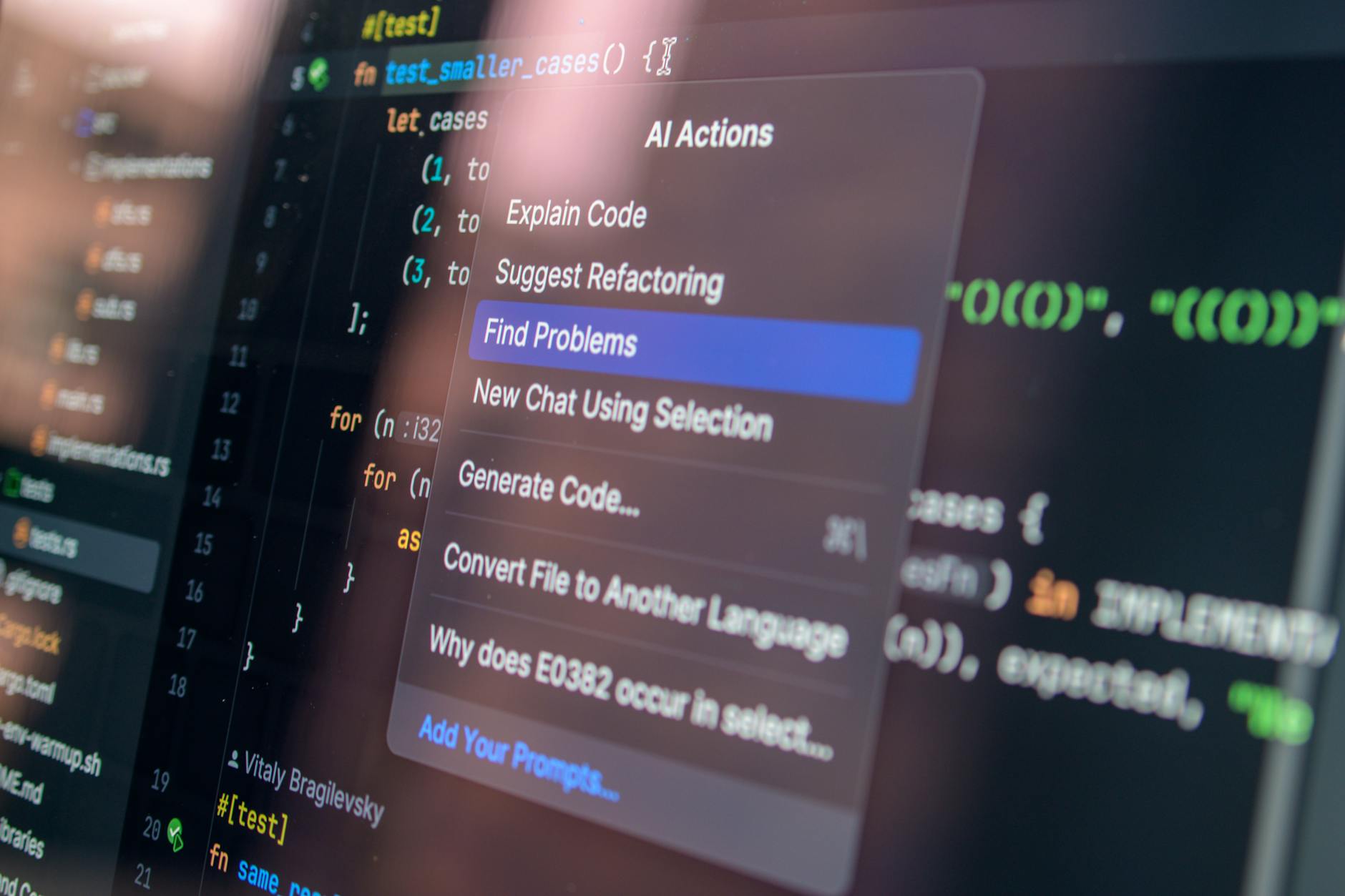
If the reported capabilities are accurate, Claude Fable 5 represents the direction every serious coding assistant is moving toward. The value is not just writing small functions. The value is helping with bigger engineering work:
- Designing project architecture before coding starts
- Explaining large codebases and hidden dependencies
- Finding bugs in multi-file systems
- Creating safer APIs and backend flows
- Writing documentation, tests, and migration plans
- Improving prompts, automations, and MCP-based tool workflows
This is especially useful for learners. A student can ask the model to explain why a system is designed a certain way, compare frameworks, or create a step-by-step learning path. But the student must still practice the fundamentals: databases, networking, authentication, HTTP, JavaScript, backend security, and deployment.
Best practices for using Claude Fable 5
The best Claude Fable 5 tips are practical. Do not ask vague questions like "build my app". Instead, give the model a clear role, project goal, constraints, stack, folder structure, and expected output. Good prompts produce better architecture and fewer errors.
For example, a web developer can ask for a secure Express.js API structure with authentication, rate limiting, validation, logging, and database schema design. A cybersecurity learner can ask for a defensive explanation of SQL injection, secure coding examples, and a lab that runs only on local test data.
The safest approach is to treat the AI as a senior assistant, not an automatic authority. Let it accelerate your thinking, but do not let it replace your responsibility.
Security concerns around advanced AI models
Claude Fable 5 also raises an important cybersecurity lesson. More powerful AI can help defenders, but it can also create risk if users ask for harmful automation, exploit generation, credential abuse, or unsafe code. That is why model providers add safety policies, tool restrictions, rate limits, monitoring, and access controls.
For ethical hackers and cybersecurity students, the right approach is defensive learning. Use AI to understand secure coding, threat modeling, log analysis, vulnerability explanation, and patch planning. Do not use it to attack real systems without permission.
Security-minded developers should also be careful with secrets. Never paste production API keys, private tokens, customer data, or sensitive database dumps into any AI chat unless the tool and company policy clearly allow it.
Should you use Claude Fable 5?
If you have access to Claude Fable 5 or any comparable frontier model, use it as a serious productivity tool. It can help you think faster, but it should not replace your judgment. The best workflow is simple: ask the model to propose, then verify everything yourself.
For web developers, the practical use cases are clear. You can ask for a secure API design, database schema review, React component cleanup, Node.js backend debugging, or deployment checklist. For cybersecurity learners, you can ask for safe explanations of vulnerabilities, secure configuration advice, and defensive lab exercises.
Final thoughts
Claude Fable 5 is more than another AI model name. It represents the next stage of AI tools: powerful enough to change development workflows, sensitive enough to attract regulation, and useful enough that every serious technologist should understand how to work with it responsibly.
The future belongs to people who know how to combine AI, software architecture, automation, and security thinking. Claude Fable 5 is one signal of that future.
Sources and further reading
Tags: claude fable 5, anthropic, ai, coding, cybersecurity, ai tools, software development